Our lab unites the world's leading scholars across disciplines to pioneer a new theoretical language that captures the intertwined realities of peace and war in the 21st century. Bringing together foremost experts in environmental science, international relations, history, art, and literature, it maps the multidimensional ripples of war’s destruction—damaged ecosystems, geopolitical entanglements, historical legacies, and deep cultural and emotional disruptions—while reimagining frameworks for justice and coexistence in an interconnected world.
"That’s not our war," we may imagine as we hear of another bomb falling in a faraway conflict zone, seeking comfort in the illusion of distance. Yet, can we truly remain "outside" of war, shielded from its accountability and harm? Recent insights from across disciplines challenge this detachment, giving us the language, tools, and frameworks to uncover the different ways we are tied to that distant bomb: Environmental science provides the tools to trace the bomb’s pollutants—poisoning air, water, and soil across the planet. Economics reveals that the bomb was likely manufactured, marketed, or sold by industries embedded in the global economy we sustain. International relations offers the framework to understand the geopolitical entanglements—alliances, military aid, or strategic policies—that link our governments to the bomb’s deployment, making its fall a consequence of decisions made in our own nations. Psychology gives us the methods to explore how the trauma of such violence reverberates across space and time, affecting even those far removed from the explosion, as its emotional and generational legacies take root. Literature and art provide the language and imagery to perceive and express its impact on our sense of self, capturing the fleeting ways it reshapes the world we live in. And yet, today, these interconnected dimensions of the same act of violence are often learned separately within different disciplines and faculties. Without an integrated perspective, we cannot feel these concentric waves of destruction—material, human, and linguistic—that spread outward from the blast, connecting the bomb’s immediate victims to us, weaving an inescapable web of shared vulnerability and accountability.
The MNW Lab pioneers a new theoretical language to address these realities, mapping for the first time the intricate, multidimensional ripples of destruction that radiate from every act of war. By uniting the world’s leading scholars across disciplines, it constructs an unprecedented framework to understand conflict’s far-reaching impacts on our environment, societies, and collective psyche. This collaborative effort provides the tools to confront the intertwined crises of destruction, responsibility, and recovery, reshaping how we perceive and engage with the pervasive violence that defines our era. To bridge theory and practice, the MNW Lab leads transformative initiatives, including interdisciplinary conferences, public lectures, collaborative publications, and graphic visualizations that make the destruction of war tangible and accessible. By merging the languages of science, art, and critical thought, it lays the groundwork for a world where no one is outside the reach of war, compelling us to reimagine justice, accountability, and peace as collective responsibilities in a deeply interconnected world.
Participating Scholars
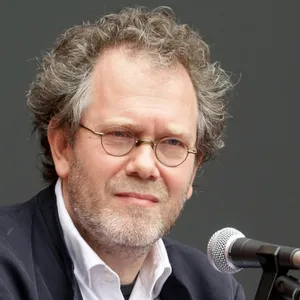
Research Director at EHESS
Specialist in image theory, visual representation, and the political and epistemological dimensions of art and visual culture
École des Hautes Études en Sciences Sociales
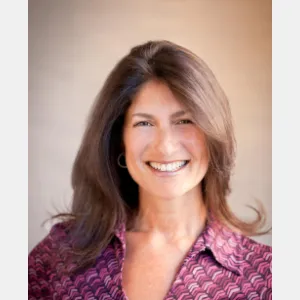
Dean of Humanities
Parr Professor of English and Comparative Literature
Founder of Columbia’s Humanities War and Peace Initiative
Specialist in literary modernism, war and peace, and 20th-century global literature
Columbia University
Global Distinguished Professor of Philosophy, NYU
Professor at Kingston University and UC Irvine
Specialist in contemporary French philosophy and feminist theory, known for her concept of plasticity and her philosophical work on trauma, embodiment, and anarchism
NYU / Kingston University / UC Irvine
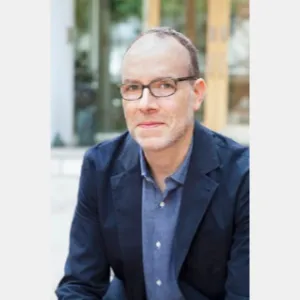
Professor of French, French Studies, and History
Specialist in cultural history with a focus on place, memory, and political culture
NYU
Professor of Political Science
Former President of the New York State Political Science Association
Governing Board Member at Columbia's Heyman Center Specialist in the history of justice and individual autonomy
Columbia University
Director of the Columbia Earth Networks for Decarbonization, Climate Resilience, and Justice
Climate Science and Justice
Columbia University
Professor of Art History and Archaeology and core faculty in Columbia's Institute for the Study of Sexuality and Gender
Specialist in visual activism, the visual culture of the nuclear age, and art and textile politics
Columbia University
Dean of Humanities
Professor in the Department of Latin American and Iberian Cultures
and the Institute for Comparative Literature and Society
Columbia University
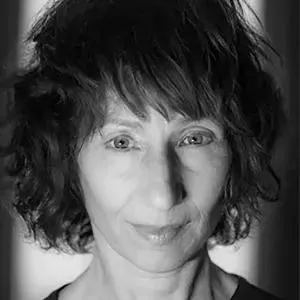
Professor of Journalism
Documentary photographer and filmmaker
Columbia University
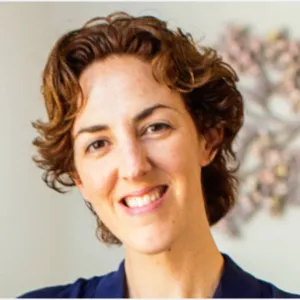
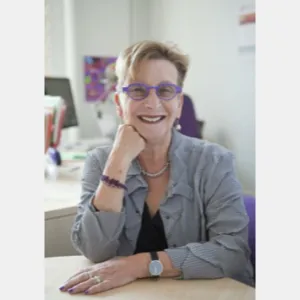
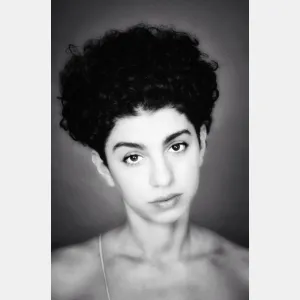
Director of the MNW
Specialises in peace studies and contemporary Francophone literature
Columbia University
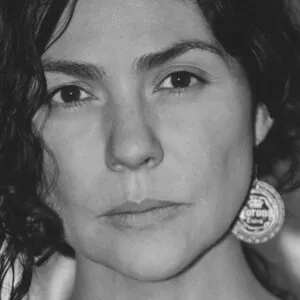
Conceptual Artist and Founder-Director of e-flux
Explores the politics of time, circulation, and distribution through installation, video, and print media
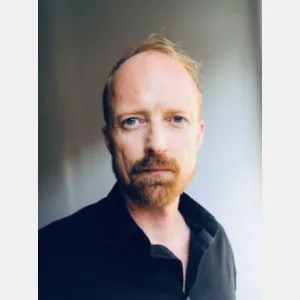
Professor of French and History
Director of the History and Literature MA Program at Columbia’s Global Center in Paris
Specializing in cultural and intellectual history and social transformation during war and revolution
Columbia University
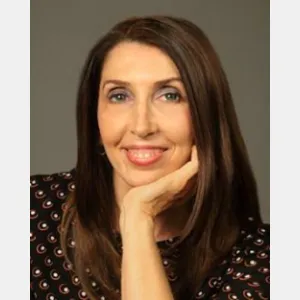
Professor of French and Comparative Literature
Co-Director of Columbia’s Amman-Tunis MENA Program
Specialist in colonialism and the history of slavery
Columbia University
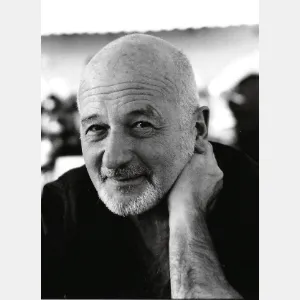
Professor of Comparative Literature
Fundamental Chair at the Institut Universitaire de France
Director of the journal Mémoires en jeu
Specialist in memory studies, testimony, and representations of collective violence
Clermont Auvergne University, Institut Universitaire de France
Research Director at EHESS
Specialist in image theory, visual representation, and the political and epistemological dimensions of art and visual culture
École des Hautes Études en Sciences Sociales
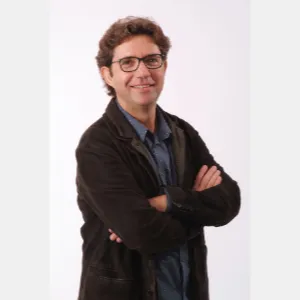
Professor of Literature
Director of the Centre d’Études et de Recherches Comparatistes (CERC)
Program Director of "Literature on Credit" at the Institut Universitaire de France
Specialist in wat literature, fiduciary paradigms, and collective memory studies
Sorbonne Nouvelle University